Conviction over consensus
We present one recommended direction and defend it, with the alternates behind it. Design by committee produces objects nobody remembers.
Eleven people who believe the objects that shape daily life deserve more than functional efficiency — and who have the tooling experience to prove it at volume.
ObjectCraft started in 2014 in a former upholstery workshop, founded by two industrial designers and a manufacturing engineer who had spent a decade watching good concepts degrade between the design review and the injection tool. The fix was structural: put the people who draw the part and the people who cost the part in the same room, and give them a model shop between the desks.
Since then we have taken audio hardware, kitchen tools, medical enclosures and small-appliance programs from sketch to shelf, in runs from 2,000 units to 400,000. We still take on roughly six programs a year, because the ratio of senior attention to project is the only quality control that has ever worked for us.
We present one recommended direction and defend it, with the alternates behind it. Design by committee produces objects nobody remembers.
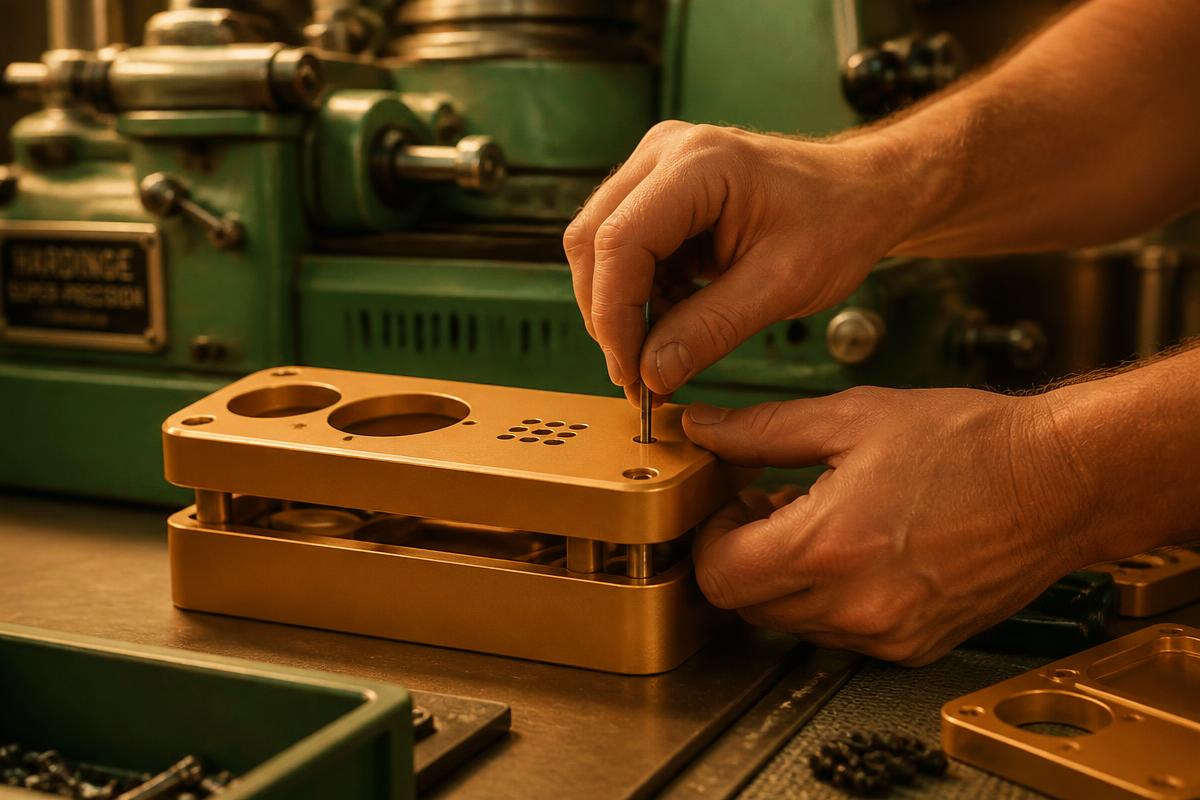
Tolerance stacks, draft angles and parting lines are reviewed line by line before release. Ninety percent of production surprises are decided in CAD.
Nothing is approved from a render. If it cannot be held, weighted and dropped on a bench, it is still an opinion.
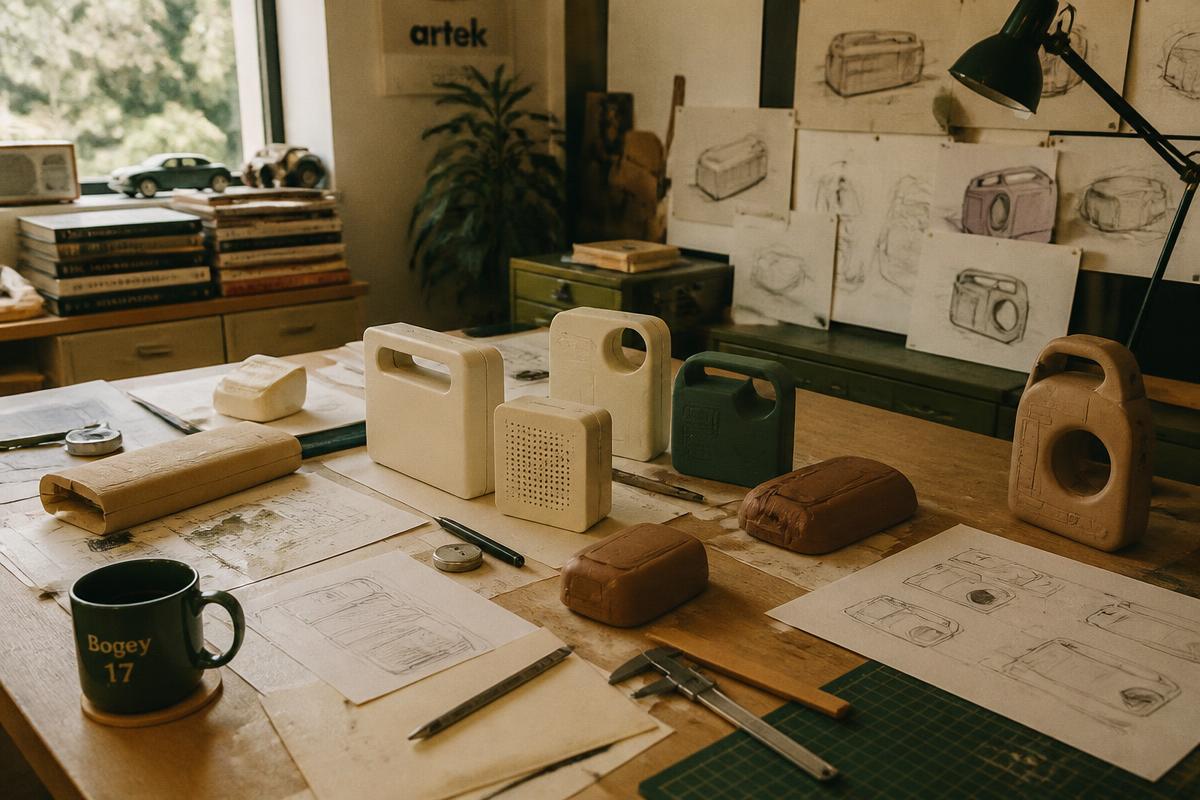
Five industrial designers, four mechanical engineers, one CMF specialist and a full-time model maker. In-house we run three FDM printers, one SLA, a five-axis desktop mill and a paint booth sized for hand-held products. Anything larger goes to partners we have used for years.
We travel for tool trials. A designer and an engineer attend T1 samples, mark up the parts in person, and stay through T2 corrections. Remote programs get daily photo reports and a shared defect log instead — but we will always tell you when a trip is cheaper than a mistake.
Work with us